Short spate river in Sligo offering free coarse fishing for pike, perch, roach, bream and eel. Typical Irish riverine character with seasonal runs of sea trout and salmon requiring IFI licence.
A current IFI state licence is mandatory for salmon fishing on the Easky. The river is at its most productive during and after a good spate. Local knowledge of the productive pools and runs is invaluable — the nearest tackle shop or angling club is the best starting point.
Coarse fishing on the Easky is free in the Republic of Ireland. Salmon and sea trout require a state IFI rod licence, available online or from local tackle shops. Some private beats may require an additional day permit.
The Easky holds pike, perch, roach, bream, eel, sea trout, salmon. Salmon are a prized catch — a state licence from Inland Fisheries Ireland is required.
Coarse fishing is free in Ireland; a state licence is required for salmon and sea trout. Check with Inland Fisheries Ireland before visiting.
These methods are most effective for the species present on this stretch of river:
Salmon fishing on Irish rivers requires a current IFI state licence. The most productive approach is fly fishing during a good spate — shrimp patterns, Waddington shanks and tube flies are traditional favourites. Spinning is permitted on many beats and can be very effective. Fish the neck and tail of pools and the edges of faster water. Always check for current bye-laws with IFI before fishing.
River pike are often leaner and more aggressive than their lough counterparts. Lure fishing with medium-sized plugs (8–12cm), spinnerbaits and rubber shads works well, particularly when worked close to overhanging banks and reedbeds. Upstream deadbaiting in slower pools accounts for the larger fish in autumn and winter. Use a 15kg wire trace at all times.
River coarse fishing in Ireland is often best with a waggler or stick float allowed to drift naturally through productive glides and pools. Loose-feed with maggots or casters little and often to build a swim. Feeder fishing with groundbait is effective in deeper, slower stretches for bream. Trotting a float downstream with the current is a highly enjoyable way to cover water and locate feeding fish.
River eels are targeted after dark using worm or small deadbait fished on the bottom in slower pools and eddies. While not glamorous, eel fishing can be very productive on Irish rivers and produces a reliable action on quiet nights.
River fishing in Ireland varies significantly by season — here is a guide to what to expect throughout the year:
The salmon season opens — early spring fish run in good numbers after winter rains. Trout become active on hatching flies. An excellent time for upstream nymph fishing on clear, cold water.
River levels typically drop and clarity increases — fish become visible and more wary. Evening dry fly fishing for trout can be exceptional. Coarse fish congregate in deeper, cooler pools and eddies during the heat of the day.
Fresh salmon run after autumn rains — the most exciting time for salmon fishing. Brown trout are in prime condition. Pike begin feeding hard in preparation for winter.
River levels are typically higher and more coloured. Pike fishing is at its best in slow, deep pools. Grayling (where present) thrive in cold, clear water. Exercise caution around swollen rivers and always fish with a companion where possible.
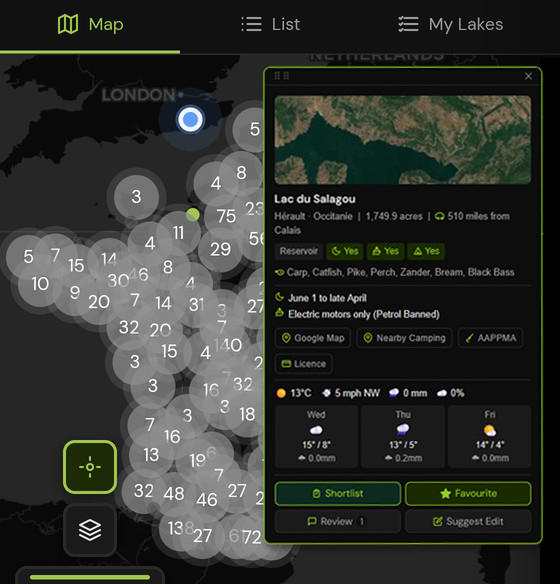
Browse 6,000+ Irish fishing waters including 1,100+ rivers. Filter by species, access and water type.
Coarse fishing on the Easky is free in the Republic of Ireland. A state rod licence from Inland Fisheries Ireland is required for salmon and sea trout.
Located in Sligo, the Easky is a classic Irish river with pike, perch, roach, bream, eel, sea trout and salmon fishing. Always respect riparian landowners and check local rules before fishing.