Small Ulster burn approximately 1.5 km long, suitable for brown trout and coarse species. Requires Inland Fisheries Service game licence for salmon/trout; coarse fishing may need local permissions.
The Islekelly Burn is a quality trout stream (1.5 km) that rewards careful, patient fishing. Upstream dry fly and nymph presentation is the most effective technique, matching the hatch where possible. Evening rises on productive stretches can be outstanding.
A DAERA rod licence is required for game fishing on Islekelly Burn. Coarse anglers do not need a licence on most Northern Ireland waters but should confirm local club access before fishing.
The Islekelly Burn holds brown trout, pike, perch, roach. Brown trout fishing is well regarded — check whether a permit is needed with the local club or IFI.
A DAERA rod licence is required for game fishing.
These methods are most effective for the species present on this stretch of river:
Irish river trout respond well to upstream nymph and dry fly presentation. Matching the hatch is key — observe the water for 10 minutes before fishing and try to identify the predominant fly species. Pale Wateries, Blue-Winged Olives and Iron Blue Duns are reliable choices. A 9ft rod rated for a #4–5 line is ideal for most Irish rivers. Evening rises on limestone rivers can be outstanding.
River pike are often leaner and more aggressive than their lough counterparts. Lure fishing with medium-sized plugs (8–12cm), spinnerbaits and rubber shads works well, particularly when worked close to overhanging banks and reedbeds. Upstream deadbaiting in slower pools accounts for the larger fish in autumn and winter. Use a 15kg wire trace at all times.
River coarse fishing in Ireland is often best with a waggler or stick float allowed to drift naturally through productive glides and pools. Loose-feed with maggots or casters little and often to build a swim. Feeder fishing with groundbait is effective in deeper, slower stretches for bream. Trotting a float downstream with the current is a highly enjoyable way to cover water and locate feeding fish.
River fishing in Ireland varies significantly by season — here is a guide to what to expect throughout the year:
River coarse fish begin moving as water temperatures rise. Pike are still feeding well in the cooler water. A good time to locate holding pools.
River levels typically drop and clarity increases — fish become visible and more wary. Evening dry fly fishing for trout can be exceptional. Coarse fish congregate in deeper, cooler pools and eddies during the heat of the day.
The best time for specimen coarse fish as fish feed heavily. Pike reach peak condition and feed aggressively on baitfish shoals.
River levels are typically higher and more coloured. Pike fishing is at its best in slow, deep pools. Grayling (where present) thrive in cold, clear water. Exercise caution around swollen rivers and always fish with a companion where possible.
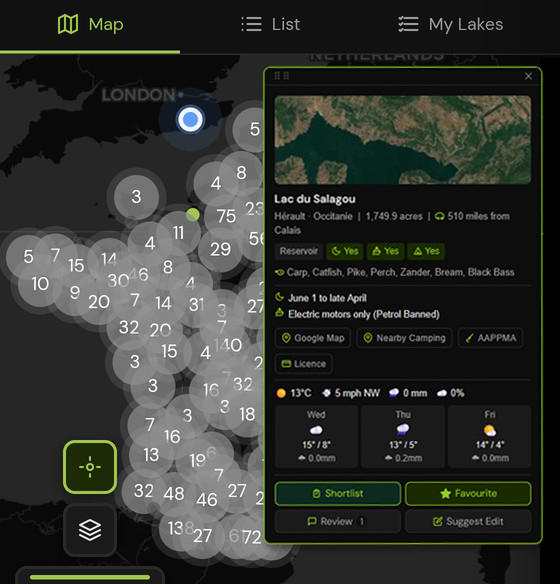
Browse 6,000+ Irish fishing waters including 1,100+ rivers. Filter by species, access and water type.
A DAERA rod licence is required for game fishing on the Islekelly Burn. Coarse fishing is generally free. Always confirm access with DAERA or the local angling club before visiting.
the Islekelly Burn is a classic Irish river with brown trout, pike, perch and roach fishing. Always respect riparian landowners and check local rules before fishing.